Advertisement
300x250 or 320x100 Ad Space
What Is a Gas Mileage Calculator and Why You Need One
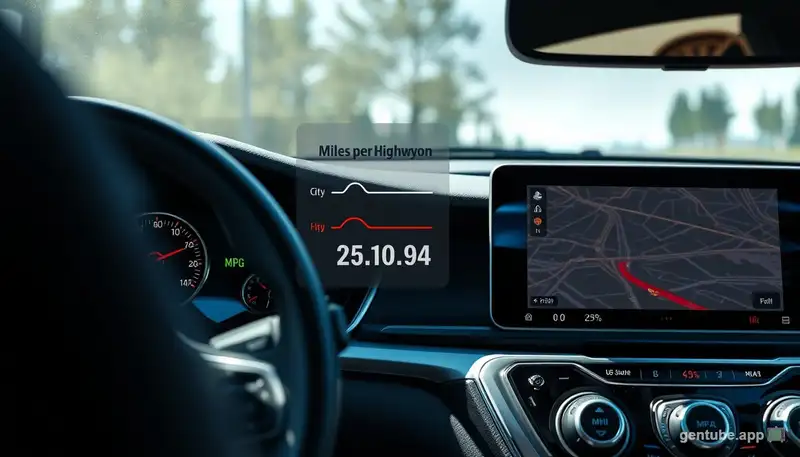
A Gas Mileage Calculator is a practical tool that helps you determine how efficiently your vehicle uses fuel. By entering your odometer readings and the amount of fuel added, you can instantly calculate your vehicle's fuel economy in miles per gallon (MPG) or kilometers per liter (km/L). This information is essential for budgeting fuel costs, evaluating vehicle performance, and planning long trips. Whether you drive a compact car, an SUV, or a truck, understanding your fuel efficiency helps you make informed decisions about your driving habits and vehicle maintenance.
Using a Gas Mileage Calculator regularly can save you money in the long run. When you track your fuel economy over time, you can spot trends that indicate potential mechanical issues before they become expensive problems. For example, a sudden drop in MPG might signal under-inflated tires, a dirty air filter, or a failing oxygen sensor. By catching these issues early, you can address them promptly and avoid costly repairs. Many drivers also use this tool to compare the fuel efficiency of different vehicles when shopping for a new car, making it an invaluable resource for anyone who owns or operates a vehicle.
Beyond individual use, fuel economy data is valuable for businesses with vehicle fleets. Companies that operate delivery trucks, service vans, or company cars can use a Gas Mileage Calculator to monitor fleet efficiency, reduce operating costs, and minimize their environmental footprint. The data collected from regular mileage tracking can inform decisions about vehicle replacement schedules, route optimization, and driver training programs. Whether you are a daily commuter, a road trip enthusiast, or a fleet manager, this tool provides the clarity you need to manage fuel expenses effectively. For more detailed cost analysis, try our Fuel Cost Calculator to estimate total trip expenses.
How to Improve Gas Mileage
Carpooling, public transport, or walking and bicycling are the best options for someone looking for the best possible gas mileage. If those are not viable, here are some practical pointers to getting the most fuel efficiency from your vehicle:
- Drive a fuel-efficient vehicle - Overall, 4-wheel drive vehicles tend to be less fuel efficient than FWD or RWD. By powering all four wheels, the engine works harder to move a car the same speed at higher speeds.
- Maintain proper tire pressure - Under-inflated tires can lower gas mileage by 0.3% per PSI drop due to wasteful transfer of energy. Ensure wheels are properly aligned and tires are inflated to the manufacturer's recommended PSI.
- Watch your speed - According to studies by the U.S. Department of Energy, the optimal speed for fuel efficiency is 55 MPH. Every 5 MPH above 55 MPH is equivalent to paying an extra $0.30 per gallon of gas.
- Avoid aggressive driving - Aggressive acceleration and braking can reduce fuel efficiency by 15-30% at highway speeds and 10-40% in stop-and-go traffic.
- Keep vehicles in good shape - Using recommended motor oil and keeping the engine properly tuned can improve gas mileage by 1-2%.
- Remove unnecessary weight - The heavier the vehicle, the more fuel is required to move it. Remove heavy items from the trunk or cargo area when not needed.
- Roll up the windows - Open windows add extra resistance (drag) at highway speeds. Driving with windows up improves aerodynamics and fuel economy.
- Use air-conditioning wisely - A vehicle's fuel economy can drop by 25% in hot climates due to AC usage. Use the AC only when necessary and consider using the vent setting at lower speeds.
- Avoid unnecessary idling - An idle vehicle gets 0 mpg. Turn off the engine if you expect to be parked for more than a minute.
Not only do these tips save drivers money on fuel and maintenance, but being conscious of fuel economy also has many positive environmental impacts. Reducing fuel consumption lowers greenhouse gas emissions and helps conserve natural resources for future generations.
How to Calculate Gas Mileage
Calculating your gas mileage manually is straightforward. The basic formula is: Gas Mileage = Distance Traveled / Fuel Used. To get accurate results, fill your gas tank completely and note the odometer reading or reset your trip odometer. The next time you fill up, note the new odometer reading and the exact number of gallons or liters you pumped. Subtract the previous reading from the current reading to determine the distance traveled, then divide by the fuel used.
For example, if your current odometer reads 62,360 miles and your previous reading was 60,000 miles, you traveled 2,360 miles. If you added 60 gallons of gas during those fill-ups, your gas mileage would be 2,360 / 60 = 39.3 MPG. This same calculation works for metric units as well: if you traveled 500 kilometers and used 50 liters of fuel, your fuel economy would be 10 km/L. Converting between units is simple with our Conversion Calculator, which handles US and metric unit conversions instantly.
For the most accurate results, calculate your gas mileage over multiple fill-ups rather than a single tank. A single tank reading can be skewed by factors like variations in driving conditions, traffic, and even how full the pump fills your tank. By averaging three to five fill-ups, you get a much more reliable picture of your vehicle's true fuel economy. This is where our Gas Mileage Calculator becomes particularly useful, as it lets you track readings across multiple fill-ups and see your average MPG over time. Regular tracking also helps you identify seasonal variations in fuel economy, such as lower winter mileage due to cold weather and winter-blend gasoline.
What is Gas Mileage?
Gas mileage, also known as fuel economy, is a measure of how far a vehicle can travel per unit of fuel. It is typically expressed as miles per gallon (MPG) in the United States or kilometers per liter (km/L) in most other countries. Higher gas mileage means the vehicle is more fuel-efficient and can travel further on less fuel. Understanding this metric is crucial for anyone who wants to manage their transportation costs effectively.
Understanding your vehicle's gas mileage is important for budgeting fuel costs and evaluating the environmental impact of your driving habits. Many factors affect gas mileage including driving style, vehicle maintenance, traffic conditions, and weather. For instance, a well-maintained vehicle driven smoothly on highways will achieve significantly better fuel economy than the same vehicle driven aggressively in stop-and-go city traffic. By knowing your baseline MPG, you can measure the effectiveness of any changes you make to your driving habits or maintenance routine.
Gas mileage also plays a key role in the overall cost of vehicle ownership. When combined with purchase price, insurance, and maintenance costs, fuel economy can dramatically affect your total annual automotive expenses. A vehicle that gets 30 MPG instead of 20 MPG will save you roughly $800 per year at current gas prices, assuming 15,000 miles of driving annually. Over five years, that adds up to $4,000 or more in fuel savings alone. Our Auto Loan Calculator can help you evaluate the total cost of financing a new or used vehicle alongside these fuel economy considerations.
Key Components of Gas Mileage Calculation
When using a gas mileage calculator, several key components determine the accuracy and usefulness of your results. The primary inputs are your odometer readings and the amount of fuel added, but understanding how each component affects the calculation helps you get the most from the tool.
- Odometer Readings - Your vehicle's odometer tracks the total distance traveled. For accurate calculations, record the reading at each fill-up. Some vehicles have a trip odometer that can be reset, making it easy to track distance between fill-ups without having to write down total mileage.
- Fuel Volume - The exact amount of fuel you add at each fill-up is critical. Use the pump's gallon or liter reading rather than relying on your fuel gauge, which is not precise enough for accurate calculations. Try to fill to the same automatic shutoff point each time for consistency.
- Fuel Price - Entering the price per gallon or liter allows the calculator to determine your total fuel cost and cost per mile or kilometer. This is useful for budgeting and comparing the cost efficiency of different vehicles.
- Unit System - Choose between US units (miles and gallons) or metric units (kilometers and liters) depending on your location. The calculator handles both systems and displays results in the appropriate format.
For fleet managers or anyone tracking multiple vehicles, using a consistent calculation method across all vehicles is essential for meaningful comparisons. Our Loan Calculator can help you evaluate the financial implications of purchasing a more fuel-efficient vehicle by comparing monthly payments and total interest costs alongside potential fuel savings.
Understanding MPG
When calculating gas mileage, there are two important MPG ratings to understand. These numbers help you evaluate how a vehicle performs under different driving conditions and set realistic expectations for your own fuel economy.
- City MPG - This reflects fuel efficiency in urban driving conditions with frequent stops, idling at traffic lights, and low-speed acceleration. City driving typically results in lower mileage because the engine operates less efficiently during stop-and-go conditions. Electric and hybrid vehicles excel in city driving due to regenerative braking and electric-only operation at low speeds.
- Highway MPG - This measures fuel efficiency at constant highway speeds with minimal braking and acceleration. Vehicles typically achieve better highway mileage because the engine runs at a consistent, optimal RPM. Aerodynamics play a larger role in highway fuel economy, which is why sleek, streamlined vehicles tend to perform better on the highway.
The EPA combined city/highway MPG estimate is a weighted average that reflects typical driving patterns, with approximately 55% city and 45% highway driving in modern testing protocols. However, your personal combined MPG may differ based on your specific driving routes and habits. This is why tracking your actual fuel economy with a calculator is more useful than relying solely on EPA estimates. Real-world tracking accounts for your unique combination of traffic, terrain, driving style, and weather conditions.
Factors Affecting Fuel Economy
Many factors can significantly impact your vehicle's fuel economy. Understanding these factors helps you identify areas where you can improve your gas mileage and get the most value from every tank of fuel.
- Driving Habits - Rapid acceleration, heavy braking, and speeding can reduce fuel economy by 15-30% on highways and 10-40% in city driving. Smooth, gradual inputs are the key to maximizing efficiency.
- Vehicle Maintenance - Poorly tuned engines, dirty air filters, worn spark plugs, and under-inflated tires all decrease fuel efficiency. Following your manufacturer's recommended maintenance schedule helps keep your vehicle running at peak efficiency.
- Weather Conditions - Cold weather reduces fuel economy as the engine takes longer to reach operating temperature and winter-blend gasoline contains less energy per gallon. Extreme heat increases AC usage, which can reduce MPG by up to 25%.
- Traffic Conditions - Stop-and-go traffic uses significantly more fuel than steady cruising speeds. Idling in traffic jams wastes fuel and reduces your overall MPG for that trip.
- Vehicle Load - Every 100 pounds of extra weight reduces fuel economy by approximately 1%. Remove unnecessary items from your trunk and roof racks when not in use.
- Road Conditions - Hilly terrain requires more energy to climb, reducing mileage on uphill sections. However, some fuel can be recovered during downhill coasting, especially in hybrid vehicles with regenerative braking.
Additional Tips to Save Fuel
Beyond the basic tips for improving fuel efficiency, there are several additional strategies that can help you save money at the pump. These habits may seem small individually, but together they can make a meaningful difference in your annual fuel budget.
- Plan your trips - Combine multiple errands into one trip to avoid unnecessary driving. A single longer trip is more fuel-efficient than several short trips because the engine operates at optimal temperature for a greater percentage of the journey.
- Use cruise control - Maintaining a constant speed on highways improves fuel economy by preventing the speed fluctuations caused by manual throttle adjustments. Set your cruise control at or below the speed limit for best results.
- Avoid rush hours - Less traffic means more efficient driving with fewer stops and starts. If your schedule allows, consider shifting your commute to off-peak hours.
- Use the right motor oil - Using the manufacturer's recommended grade of motor oil can improve fuel economy by 1-2%. Look for oil labeled "Energy Conserving" on the API performance symbol.
- Keep tires properly inflated - Check tire pressure at least once a month and before long trips. Properly inflated tires are safer, last longer, and improve fuel economy.
- Coast to decelerate - When approaching red lights, stop signs, or traffic slowdowns, lift your foot off the accelerator early and coast rather than braking hard at the last moment.
- Use overdrive gears - If your vehicle has overdrive, use it at highway speeds. Overdrive reduces engine RPM, which saves fuel and reduces engine wear.
Common Mistakes When Measuring Fuel Economy
Even experienced drivers can make mistakes when tracking their gas mileage. Avoiding these common errors will help you get accurate, reliable data from your Gas Mileage Calculator and make better decisions about your vehicle and driving habits.
- Not filling the tank completely - Partial fill-ups make it impossible to calculate accurate MPG. Always fill your tank until the pump automatically shuts off to ensure consistent measurements between fill-ups.
- Using the fuel gauge instead of the pump reading - Your vehicle's fuel gauge is not precise enough for calculating fuel economy. Always use the gallon or liter reading displayed on the fuel pump.
- Relying on a single tank measurement - One fill-up can be misleading due to variations in driving conditions, traffic, and pump shutoff points. Track at least three to five fill-ups before drawing conclusions about your average fuel economy.
- Ignoring seasonal changes - Fuel economy naturally decreases in winter due to cold weather, winter-blend gasoline, and increased idling. Compare your MPG readings seasonally rather than panicking about winter drops.
- Forgetting to reset the trip odometer - If you do not reset your trip odometer at each fill-up, you may use incorrect distance data. Make it a habit to reset after each fill-up for accurate tracking.
By avoiding these mistakes and using our Gas Mileage Calculator consistently, you will build a reliable dataset that reveals your vehicle's true fuel economy over time. This information is invaluable for budgeting, maintenance planning, and evaluating whether it is time to consider a more fuel-efficient vehicle. Check our Compound Interest Calculator to see how much your fuel savings could grow if invested over time.
Eco-Driving Techniques
Eco-driving is a comprehensive approach to vehicle operation that maximizes fuel efficiency through deliberate driving techniques. Beyond simple tips, eco-driving represents a fundamental shift in how you interact with your vehicle and the road. By adopting these principles, many drivers achieve 10-30% improvement in their fuel economy without any changes to their vehicle or route.
- Smooth acceleration - Accelerate gradually and moderately. Imagine there is an egg between your foot and the accelerator pedal. It takes about 20 seconds to reach 50 MPH from a stop for optimal fuel efficiency.
- Anticipate traffic flow - Look ahead 10-15 seconds to anticipate traffic changes, red lights, and other slowdowns. This allows you to adjust your speed gradually rather than braking hard at the last moment.
- Maintain steady speed - Use cruise control on highways to eliminate unnecessary speed fluctuations. Consistent speed is one of the most effective ways to improve highway fuel economy.
- Shift gears efficiently - In manual transmission vehicles, shift to higher gears as soon as the engine reaches approximately 2,000-2,500 RPM. Lower RPMs generally mean better fuel economy.
- Decelerate smoothly - Lift off the accelerator early when approaching stops and let the vehicle's natural resistance slow it down. This technique, known as "engine braking," uses no fuel while decelerating.
Eco-driving is not just about fuel savings. It also reduces wear and tear on your brakes, tires, and engine, leading to lower maintenance costs over the life of your vehicle. Many drivers find that eco-driving reduces stress as well, since smooth, anticipatory driving creates a more relaxed experience than aggressive acceleration and hard braking. Over time, these techniques become second nature and require no conscious effort to maintain.
Fuel Economy by Vehicle Type
Different types of vehicles have vastly different fuel economy characteristics. Understanding the typical MPG range for each vehicle category helps you set realistic expectations and make informed purchasing decisions. Here is a breakdown of average fuel economy by vehicle type based on EPA data:
- Compact Cars - These vehicles typically achieve 30-40 MPG combined. Examples include the Honda Civic, Toyota Corolla, and Hyundai Elantra. Their lightweight construction and efficient engines make them the most fuel-efficient conventional vehicles on the market.
- Midsize Cars - Expect 25-35 MPG combined for sedans like the Toyota Camry, Honda Accord, and Nissan Altima. These vehicles offer a good balance of interior space and fuel efficiency for families and commuters.
- SUVs and Crossovers - Modern SUVs achieve 20-30 MPG combined, with smaller crossover models approaching 30 MPG. Larger body-on-frame SUVs typically get 15-20 MPG. Hybrid SUV models can achieve 35-40 MPG.
- Pickup Trucks - Full-size trucks like the Ford F-150, Ram 1500, and Chevrolet Silverado typically achieve 15-25 MPG combined. Diesel and hybrid powertrain options can improve these numbers by 5-10 MPG.
- Hybrid and Electric Vehicles - Hybrids like the Toyota Prius achieve 50-60 MPG, while plug-in hybrids can achieve 100+ MPGe. Fully electric vehicles have no fuel cost but their efficiency is measured in MPGe (miles per gallon equivalent).
When shopping for a new vehicle, consider both the EPA-rated fuel economy and your expected driving patterns. If you primarily drive in the city, a hybrid will offer the greatest benefit. If you drive mostly on highways, a diesel or a vehicle with a high top gear ratio might be more suitable. Our Mortgage Calculator is useful if you are also evaluating home affordability alongside transportation costs, as both are major components of your monthly budget.
Environmental Impact of Fuel Efficiency
Improving your fuel efficiency is not just good for your wallet, it is also beneficial for the environment. The transportation sector is one of the largest sources of greenhouse gas emissions worldwide, and personal vehicles account for a significant portion of those emissions. Every gallon of gasoline burned produces approximately 8,887 grams of CO2. By improving your gas mileage, you directly reduce your carbon footprint and contribute to cleaner air for everyone.
Small improvements in fuel economy can have a significant cumulative impact. If every driver in the United States improved their gas mileage by just 1 MPG, the total reduction in fuel consumption would be approximately 1.4 billion gallons per year, with a corresponding reduction of over 12 million metric tons of CO2 emissions. This is equivalent to taking 2.6 million cars off the road for an entire year. When you use a Gas Mileage Calculator to track and improve your fuel economy, you are contributing to this larger environmental benefit.
Beyond CO2 emissions, burning less fuel also reduces emissions of harmful pollutants like nitrogen oxides, sulfur dioxide, and particulate matter, which have direct health impacts on communities, especially those near major roadways. Improved fuel efficiency also reduces dependence on foreign oil and helps conserve finite petroleum resources for future generations. For those interested in broader health tracking, our BMI Calculator can help you monitor your personal health metrics alongside your vehicle's efficiency metrics.
Using Gas Mileage for Trip Planning
Your Gas Mileage Calculator is an excellent tool for planning road trips and estimating travel costs. By knowing your vehicle's average fuel economy, you can accurately predict how much you will spend on fuel for any journey. This helps you budget for vacations, plan stops at the most cost-effective gas stations along your route, and decide whether driving or flying makes more financial sense for a particular trip.
To estimate trip fuel costs, simply divide the total trip distance by your vehicle's average MPG to get the number of gallons needed, then multiply by the expected fuel price. For example, a 1,000-mile road trip in a vehicle averaging 25 MPG with gas at $3.50 per gallon would cost approximately $140 in fuel. You can adjust these numbers based on whether your trip involves more highway driving (which typically yields better MPG) or city driving. Our Time Calculator can help you estimate total travel time including stops and rest breaks.
Smart trip planning also involves considering the fuel economy impact of vehicle loading and driving conditions. A fully loaded vehicle with a roof cargo box may see MPG reductions of 10-20% on highways due to increased weight and aerodynamic drag. If you are planning a long trip, consider packing lightly, using a rear cargo carrier instead of a roof box when possible, and planning your route to avoid congested urban areas during peak hours. These adjustments can save you significant money on fuel over the course of a long road trip.
Final Thoughts on Gas Mileage
Understanding and tracking your vehicle's gas mileage is one of the simplest yet most effective ways to save money, reduce your environmental impact, and ensure your vehicle is operating at peak performance. Our Gas Mileage Calculator makes this process quick and easy, providing instant results that you can use to make informed decisions about your driving habits, maintenance schedule, and vehicle purchasing choices.
We encourage you to make fuel economy tracking a regular part of your vehicle ownership routine. Check your mileage at every fill-up, look for trends over time, and take action when you notice significant changes. A consistent drop in MPG is often the first sign of a developing mechanical issue, and catching it early can save you hundreds or even thousands of dollars in repairs. Combine your fuel economy data with our Conversion Calculator for unit conversions and the Fuel Cost Calculator for detailed expense tracking to get a complete picture of your transportation costs.
Remember that improving your gas mileage does not require drastic lifestyle changes. Small, consistent actions like maintaining proper tire pressure, avoiding aggressive driving, removing excess weight from your vehicle, and planning your trips more efficiently can add up to significant savings over time. By using this tool regularly and applying the tips discussed in this guide, you can maximize your fuel economy, save money at the pump, and reduce your environmental footprint. Thank you for choosing CalcOrigin for your gas mileage calculation needs, and happy driving.
To learn more about gas mileage calculator, visit Omni Calculator.
Frequently Asked Questions
How do I calculate my gas mileage?
To calculate your gas mileage, fill your tank completely and note the odometer reading. The next time you fill up, note the new odometer reading and how many gallons you added. Subtract the previous reading from the current reading to get the distance traveled, then divide that distance by the gallons of gas used. The result is your miles per gallon (MPG).
What is a good gas mileage for a car?
A good gas mileage depends on the vehicle type. Small cars typically achieve 30-40 MPG, SUVs get 20-30 MPG, and trucks get 15-25 MPG. Any vehicle achieving above 25 MPG combined is generally considered fuel-efficient. Hybrid and electric vehicles achieve significantly higher fuel economy.
What is the difference between MPG and km/L?
MPG (miles per gallon) and km/L (kilometers per liter) are both measures of fuel efficiency. To convert between them: multiply MPG by 0.425 to get km/L, or multiply km/L by 2.352 to get MPG. Canada and some other countries use L/100km (liters per 100 kilometers) instead.
How does the gas mileage calculator work?
The gas mileage calculator works by taking your current and previous odometer readings along with the amount of fuel added. It calculates the distance traveled by subtracting the previous reading from the current one, then divides that distance by the fuel used to determine your MPG or km/L. It also calculates trip costs when you enter the fuel price.
Why is my actual gas mileage lower than EPA estimates?
EPA estimates are based on standardized laboratory tests that may not reflect real-world driving conditions. Actual mileage is typically 15-25% lower due to factors like weather, traffic congestion, aggressive driving, vehicle condition, air conditioning use, and carrying extra weight. Your personal driving environment plays a major role in fuel economy.
Does cruise control really improve gas mileage?
Yes, cruise control can improve fuel economy by maintaining a constant speed, which is more efficient than the speed fluctuations caused by manual throttle control. However, on hilly terrain, manual driving may be more efficient since cruise control tends to accelerate aggressively up hills rather than allowing gradual speed changes.
How does temperature affect fuel efficiency?
Extreme temperatures decrease fuel efficiency. Cold weather causes engines to run rich until they reach operating temperature, and winter-grade fuel contains less energy. Hot weather increases air conditioning usage, which can reduce fuel economy by up to 25%. The optimal temperature range for fuel efficiency is 60-80°F (15-25°C).
Can I use the gas mileage calculator for metric units?
Yes, the gas mileage calculator supports both US units (miles, gallons) and metric units (kilometers, liters). Simply switch to the Metric Units tab to enter readings in kilometers and fuel in liters. The calculator will display results in km/L and cost per kilometer.
What factors can cause my MPG to drop suddenly?
Sudden drops in MPG can be caused by several factors: under-inflated tires, a faulty oxygen sensor, dirty air filters, bad spark plugs, using the wrong motor oil, carrying excessive weight, aggressive driving habits, or even a check engine light indicating a mechanical issue. A sudden significant drop may warrant a mechanic's inspection.
How often should I check my gas mileage?
It is recommended to check your gas mileage at every fill-up or at least once a month. Regular monitoring helps you detect potential vehicle problems early, track the impact of driving habit changes, and budget more accurately for fuel costs. Comparing readings over time gives you a clearer picture of your vehicle's health.
Is there a difference between city and highway MPG?
Yes, city MPG and highway MPG differ significantly because of driving conditions. City driving involves frequent stops, idling, and acceleration, which consume more fuel and result in lower MPG. Highway driving maintains consistent speeds with less braking, producing higher MPG. Most vehicles achieve about 5-10 MPG more on highways than in cities.
Can I improve my gas mileage by changing my driving habits?
Absolutely. Smooth acceleration, maintaining steady speeds, anticipating traffic to avoid hard braking, reducing idling time, and removing unnecessary weight from your vehicle can improve gas mileage by 10-30%. Driving at or below 55 MPH on highways, using cruise control, and keeping tires properly inflated are among the most effective changes.