What Is a Budget and Why You Need One
A budget is a financial plan that estimates your income and expenses over a specific period. It helps you track where your money is going, control spending, and achieve your financial goals. Our budget calculator makes it easy to create a detailed personal budget by organizing your income and expenses into clear categories with annual and monthly views.
Creating a budget is the foundation of financial wellness. It gives you visibility into your spending patterns, helps you identify areas where you can save, and ensures you are living within your means. Without a budget, it is easy to overspend and accumulate debt without realizing it. Our budget calculator provides a comprehensive breakdown of your finances including expense-to-income ratio, debt-to-income ratio, and a visual pie chart of your spending categories so you can see the big picture at a glance.
Whether you are saving for a home, paying off debt, building an emergency fund, or planning for retirement, a budget is your roadmap to achieving these goals. Use our calculator to get started and update it as your financial situation changes.
A well-crafted budget also reduces financial stress by giving you confidence that you are in control of your money. Instead of wondering where your paycheck went, you have a clear plan that aligns your spending with your values and priorities. This peace of mind is one of the most valuable benefits of budgeting, and it is something our budget calculator helps you achieve with minimal effort.
How to Use This Budget Calculator
Our budget calculator is designed to be intuitive and comprehensive. Follow these steps to create your personal budget and gain clarity on your financial situation:
- Enter your income sources including salary, business income, investment income, and any other sources. You can enter amounts as monthly or annual values.
- Enter your housing expenses: mortgage or rent, property taxes, insurance, utilities, and home maintenance.
- Enter transportation costs: car payments, fuel, insurance, maintenance, and public transit.
- Enter living expenses: food, dining out, clothing, and personal care.
- Enter debt payments: credit cards, student loans, personal loans, and other obligations.
- Enter healthcare costs: insurance premiums, medications, and out-of-pocket expenses.
- Enter children and education expenses: childcare, tuition, and related costs.
- Enter savings and investments: retirement contributions, emergency fund, and other savings.
- Enter miscellaneous expenses: pets, gifts, hobbies, entertainment, travel, and other spending.
- Click Calculate to see your complete budget breakdown with charts and ratios.
The results show your total income, total expenses, net surplus or deficit, debt-to-income ratio, expense breakdown by category, and a pie chart visualization. You can print the results for your records.
One of the most powerful features of our budget calculator is the ability to compare your spending across categories at a glance. The pie chart shows the proportion of your income going to each expense type, while the detailed table provides exact dollar amounts for annual and monthly periods. This dual view helps you quickly identify areas where you may be overspending and opportunities to save more.
How to Create a Personal Budget
Budgeting can generally be summed up by two principles: living within your means and planning for the future. Successful budgeting involves having a detailed personal budget and adhering to it consistently.
Living within your means is the foundation of financial health. The biggest financial mistake people make is spending more than they earn, which leads to mounting debt over time. Other common pitfalls include trying to keep up with others, over-relying on credit, and lacking financial knowledge. Our budget calculator helps you see exactly where your money goes so you can make informed decisions.
Planning for the future involves preparing for both expected and unexpected events. A good budget helps you build emergency savings, plan for major purchases, manage investments, and prepare for retirement. By forecasting your income and expenses, you can make proactive choices rather than reacting to financial stress. Our budget calculator gives you the data you need to plan with confidence, showing your net position and savings rate so you can see whether you are on track to meet your long-term objectives.
The 50/30/20 Budget Rule
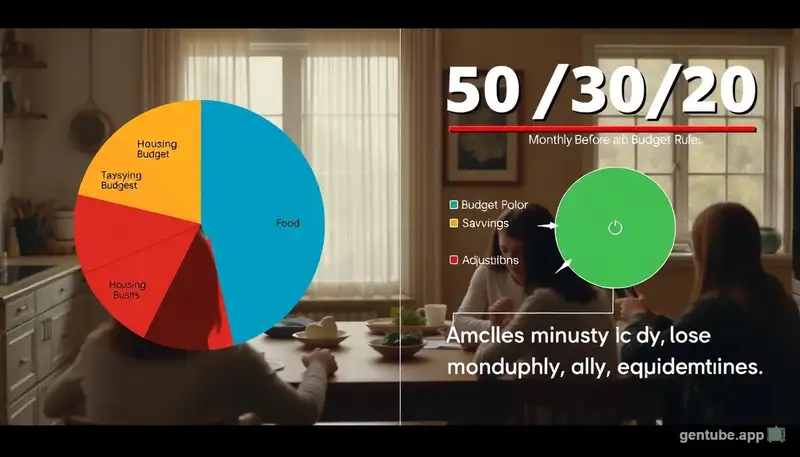
The 50/30/20 rule is a popular budgeting framework popularized by Senator Elizabeth Warren. It provides a simple and effective way to allocate your after-tax income: 50% for needs, 30% for wants, and 20% for savings and debt repayment.
Needs (50%): These are essential expenses you cannot avoid, including housing, utilities, groceries, transportation, insurance, minimum debt payments, and healthcare. If your needs exceed 50% of your income, you may need to downsize or reduce these costs.
Wants (30%): These are non-essential expenses that improve your quality of life, such as dining out, entertainment, hobbies, travel, and premium subscriptions. This category provides flexibility and enjoyment while keeping your finances balanced.
Savings and debt (20%): This portion goes toward building your emergency fund, retirement savings, investments, and extra debt payments above the minimums. Prioritizing this category builds long-term financial security.
Our budget calculator helps you see how your actual spending compares to the 50/30/20 guideline with detailed category breakdowns and visual charts. After entering your income and expenses, the calculator shows what percentage of your income goes to each category so you can adjust your spending to better match this framework. Even if you do not follow the 50/30/20 rule exactly, it provides a useful reference point for evaluating your budget balance.
The 50/30/20 rule is flexible enough to work for most income levels and lifestyles. If your needs exceed 50%, look for ways to reduce fixed costs through refinancing, downsizing, or negotiating better rates. If your wants are under 30%, you might have room to increase spending on things that bring you joy without jeopardizing your financial health. The key is finding the right balance that works for your unique situation.
Understanding Expense Categories
Our budget calculator organizes expenses into clear categories to help you understand your spending patterns. Each category has recommended guidelines based on common financial best practices.
Housing Costs
Housing should generally be no more than 30% of monthly gross income. This includes mortgage or rent, property taxes, insurance, utilities, and home maintenance. If housing costs exceed this threshold, you may be house-poor and at risk of financial strain.
Transportation
Transportation should be kept below 15% of income, including car payments, fuel, insurance, maintenance, and public transit costs. Choosing a reliable used car over a new one can significantly reduce this category.
Food and Dining
Food and dining combined should be less than 15% of income. Meal planning, cooking at home, and reducing restaurant visits are effective ways to control food costs while eating healthier.
Savings and Investments
Savings and investments should be 15% or higher of your income. This includes retirement accounts, emergency fund contributions, and other investment vehicles. Our calculator shows your current savings rate and compares it to the recommended target.
Debt Payments
Debt payments should be carefully monitored. Your total debt-to-income ratio, including housing costs, should ideally stay below 36%. High-interest debt like credit cards should be paid off as quickly as possible. Our calculator tracks both your front-end and back-end DTI ratios to give you a complete picture of your debt burden.
Healthcare Costs
Healthcare costs are often overlooked when budgeting. Include insurance premiums, prescription costs, doctor visits, and dental care. Having a health savings account or flexible spending account can reduce your taxable income while covering these essential expenses.
Debt-to-Income Ratio Explained
Your debt-to-income ratio is the percentage of your gross monthly income that goes toward debt payments. It is a key metric that lenders use to evaluate your borrowing capacity and a useful tool for assessing your own financial health.
Our budget calculator calculates both your front-end DTI ratio (housing costs only) and your back-end DTI ratio (all debt payments including housing). A DTI below 36% is generally considered good, 36% to 49% indicates room for improvement, and above 50% is considered risky both for lenders and borrowers.
Lowering your DTI ratio involves either increasing your income, paying down existing debt, or both. Even small improvements in your DTI can qualify you for better interest rates on mortgages, auto loans, and credit cards. Use our calculator along with our debt payoff calculator to develop a strategy for reducing your debt burden.
A high DTI ratio can prevent you from qualifying for new loans or result in higher interest rates when you do qualify. It can also affect your ability to rent an apartment or get certain jobs. Monitoring your DTI with our budget calculator helps you catch potential problems early and take corrective action before they become serious. Aim to keep your total DTI below 36% and your front-end DTI below 28% for optimal financial health.
Setting Savings Goals
Setting clear savings goals is essential for building wealth and achieving financial independence. Your budget calculator helps you track your savings rate and see how it compares to recommended targets.
Short-Term Goals (Under 1 Year)
Building an emergency fund, saving for a vacation, or creating a home maintenance fund. These goals typically require consistent monthly contributions and benefit from automated transfers.
Medium-Term Goals (1-5 Years)
Saving for a down payment on a home, buying a car, or funding a major home renovation. These goals benefit from higher-yield savings accounts or conservative investments.
Long-Term Goals (5+ Years)
Retirement savings, children's education, and investment portfolio building. These goals benefit from compound growth and should be invested in diversified assets. Our savings calculator can help you project how your savings will grow over time.
Whatever your savings goals, our budget calculator shows you exactly how much you are currently saving and how that compares to your target. Use this information to adjust your budget and increase your savings rate over time. Even small increases in your savings rate compound into significant sums over the years, thanks to the power of compound interest and consistent investing.
Building an Emergency Fund
An emergency fund is money set aside for unexpected expenses such as medical bills, car repairs, home repairs, or job loss. It is the foundation of financial security and should be established before focusing on other financial goals.
Most financial experts recommend saving 3 to 6 months worth of essential living expenses in an easily accessible savings account. Your budget calculator shows your monthly essential expenses, making it easy to calculate your target emergency fund amount and track your progress toward that goal.
Start small if necessary. Even $1,000 in emergency savings can prevent a minor setback from becoming a major financial crisis. Gradually build your fund over time by allocating a portion of your monthly budget to this goal. Once your emergency fund is fully funded, redirect that money toward other financial goals like retirement or debt payoff.
Where you keep your emergency fund matters. It should be in a separate high-yield savings account that is easily accessible but not so convenient that you dip into it for non-emergencies. Aim to keep it separate from your everyday checking account to avoid temptation. Many online banks offer competitive interest rates on savings accounts, helping your emergency fund grow while remaining liquid. Replenish the fund promptly if you ever need to use it for a genuine emergency.
How to Reduce Your Expenses
If your budget shows a deficit or a lower savings rate than desired, reducing expenses is the most effective way to improve your financial situation. Here are practical strategies for each expense category:
Housing
Consider refinancing your mortgage, negotiating rent, or downsizing to a more affordable space. Roommates or converting unused space to rental income can also help offset costs. Even reducing utility usage can save hundreds annually.
Transportation
Keep cars longer, buy used instead of new, use public transit, carpool, or consider a more fuel-efficient vehicle. Review your insurance coverage annually and shop for better rates.
Food
Plan meals weekly, cook at home, buy in bulk, use coupons, and reduce restaurant meals. Even one less restaurant meal per week can save hundreds of dollars per year.
Subscriptions and Services
Review all subscription services including streaming, gym memberships, and software. Cancel those you rarely use and negotiate better rates on essential services like internet and phone plans.
Debt Payments
High-interest debt like credit cards should be a priority. Consider balance transfers to lower-interest cards or consolidation loans to reduce monthly payments. Our debt payoff calculator can help you compare different repayment strategies like the snowball and avalanche methods to find the approach that works best for your situation.
Energy and Utilities
Reduce utility bills by switching to energy-efficient appliances, using programmable thermostats, sealing drafts, and being mindful of electricity and water usage. These small changes can add up to significant savings over the course of a year without sacrificing comfort.
Common Budgeting Mistakes to Avoid
Even well-intentioned budgeters make mistakes. Avoid these common pitfalls to keep your budget on track.
Being Too Restrictive
A budget that leaves no room for enjoyment is unsustainable. Include reasonable amounts for entertainment, dining out, and hobbies so you can stick with your budget long-term.
Not Tracking Cash Spending
Small cash purchases add up quickly. Track every expense, no matter how small, to get an accurate picture of your spending. Our budget calculator helps by organizing everything into categories.
Forgetting Irregular Expenses
Annual insurance premiums, holiday gifts, car registration, and other irregular expenses should be included in your monthly budget by setting aside money each month. Divide annual costs by 12 and include them as monthly line items so you are never caught off guard by a large annual bill.
Not Reviewing Regularly
Your budget is a living document that should be reviewed monthly. Life changes, income fluctuates, and priorities shift. Regular reviews help you stay aligned with your financial goals.
Setting Unrealistic Goals
Cutting your grocery budget by half or eliminating all entertainment spending is unlikely to be sustainable. Set realistic targets that challenge you without being so restrictive that you give up entirely. It is better to make gradual, lasting changes than to attempt a drastic overhaul that lasts only a few weeks.
How to Stick to Your Budget
Creating a budget is the easy part. Sticking to it requires discipline and the right strategies. Here are proven techniques to help you stay on track.
Automate Your Savings
Set up automatic transfers to your savings and investment accounts on payday. When saving is automatic, you are less likely to spend that money. Treat savings like a non-negotiable expense.
Use the Envelope System
Allocate cash to different spending categories in physical envelopes. When the envelope is empty, you stop spending in that category. This tangible approach helps control discretionary spending.
Track Regularly
Use our budget calculator to review your spending monthly. Compare actual spending to your budget and adjust as needed. Celebrate progress toward your goals to stay motivated and reinforce good financial habits.
Find an Accountability Partner
Share your financial goals with a trusted friend, family member, or partner. Regular check-ins can help you stay committed and provide support when challenges arise.
Reward Yourself
Budgeting does not mean depriving yourself forever. Build small rewards into your budget for reaching milestones like sticking to your budget for three months or paying off a credit card. Celebrating progress reinforces positive habits and makes budgeting more sustainable over the long term. Our budget calculator helps you see the progress you are making, which is motivating in itself.
Final Thoughts
A personal budget is one of the most powerful tools for achieving financial freedom. It gives you control over your money instead of letting your money control you. Our budget calculator makes it easy to create a comprehensive budget that covers every aspect of your financial life.
Remember that budgeting is a skill that improves with practice. Your first budget will not be perfect, and that is okay. The important thing is to start, track your progress, and make adjustments as you learn what works for your lifestyle and goals. Over time, budgeting becomes a habit that pays dividends in reduced financial stress and increased wealth.
Explore our related calculators including our savings calculator, debt payoff calculator, and retirement calculator for additional tools to support your financial journey. Start using our budget calculator today to take control of your finances and build the future you deserve.
Your financial journey is unique, and your budget should reflect your personal goals, values, and circumstances. Whether you are just starting out or refining a system that has worked for years, our budget calculator provides the insights you need to make informed decisions. Bookmark this page and return to it whenever your financial situation changes to keep your budget current and effective.
Frequently Asked Questions
Why is budgeting important?
Budgeting is important because it helps you understand where your money is going, allows you to control spending, and enables you to save for future goals. Without a budget, it is easy to overspend and fall into debt.
How do I create a personal budget?
Start by calculating your total monthly income, then list all your expenses including housing, transportation, food, debt payments, and discretionary spending. Subtract expenses from income to see your surplus or deficit. Use a budget calculator to track and adjust your spending categories.
What is the 50/30/20 budget rule?
The 50/30/20 rule allocates 50% of after-tax income to needs, 30% to wants, and 20% to savings and debt repayment. It provides a simple starting point for creating a balanced budget that covers essentials while building financial security.
Should I include pre-tax or post-tax income in my budget?
This budget calculator uses pre-tax gross income values. This makes it easier to plan because you can see your full earning picture and then account for taxes, retirement contributions, and other deductions directly in the budget.
What is a good expense-to-income ratio?
A good expense-to-income ratio is below 80% of after-tax income, meaning at least 20% goes to savings. A ratio above 100% means you are spending more than you earn and need to cut expenses or increase income.
How much should I save each month?
Financial experts recommend saving at least 15-20% of your income for long-term goals like retirement. Additionally, building an emergency fund of 3-6 months of living expenses is crucial for financial security.
What is the difference between wants and needs?
Needs are essential expenses required for survival and basic living such as housing, food, utilities, and insurance. Wants are non-essential expenses that enhance your lifestyle such as entertainment, dining out, and hobbies.
How can I reduce my monthly expenses?
Review your spending categories and identify areas to cut back. Common strategies include cooking at home, canceling unused subscriptions, negotiating lower insurance rates, using public transportation, and switching to more affordable service providers.
What is an emergency fund and how much do I need?
An emergency fund is money set aside for unexpected expenses like medical bills, car repairs, or job loss. Most experts recommend saving 3 to 6 months worth of essential living expenses in an easily accessible account.
How often should I review my budget?
Review your budget monthly to track progress and make adjustments. A more thorough annual review helps you set new goals and account for major life changes like a new job, move, or family addition.
What is a debt-to-income ratio?
Your debt-to-income ratio is the percentage of your gross monthly income that goes toward debt payments. A DTI below 36% is considered good, 36-49% needs improvement, and above 50% is risky for lenders and borrowers.
How can I stick to my budget?
Use budgeting apps or calculators to track spending, set realistic goals, automate savings, review progress regularly, and allow yourself occasional treats to stay motivated. Accountability partners can help maintain discipline.